
As a New Jersey homeowner, you know that the winter months can be tough on your lawn. The cold temperatures, snow, and ice can cause damage to your grass and soil, leaving it vulnerable to issues come spring. However, with the right care and preparation, you can protect your lawn during the colder months and set it up for success when the weather warms up again. In this blog, we’ll explore essential winter lawn care tips specifically for New Jersey homeowners to help ensure your lawn remains healthy all year long.
Keep Mowing Your Lawn (But Not Too Short)
While you might think that lawn mowing stops in winter, it’s still important to mow your lawn until it goes dormant. As the weather cools, adjust the height of your mower to around 2 to 2.5 inches. Mowing too short can stress the grass and make it more susceptible to the cold, while mowing too long can lead to fungal growth or matting.
Fertilize Before Winter Sets In
One of the best things you can do for your lawn in New Jersey is to apply a final round of fertilizer in late fall. Fertilizing your lawn before winter helps to promote strong root growth and ensures that your grass has the necessary nutrients to survive the winter months and thrive in the spring. Look for a fertilizer that’s high in potassium, as this helps your grass stay strong during the colder months.
Aerate Your Lawn to Prevent Compaction
Lawn aeration is a great way to improve soil health and enhance water and nutrient absorption, which is especially important as you head into winter. Over time, your lawn can become compacted due to foot traffic, mowing, and other activities. Aeration involves creating small holes in the soil, allowing air, water, and nutrients to reach the roots more effectively.
Keep Your Lawn Clean and Free of Debris
Accumulated leaves, sticks, and other debris can suffocate your lawn, trapping moisture and preventing sunlight from reaching the grass. Wet leaves can also foster mold and mildew growth, which can damage your lawn. Regularly cleaning up your lawn will keep it healthy and free from diseases during the winter months.
Water Your Lawn Wisely Before Winter
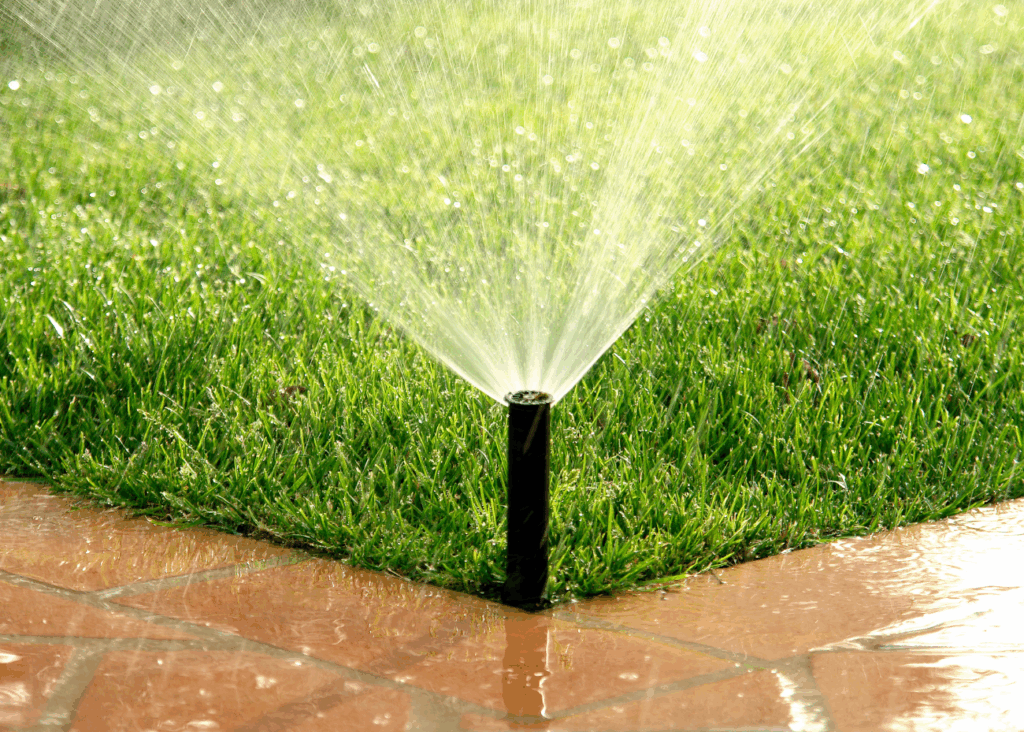
While New Jersey experiences a lot of precipitation during the winter months, it’s still important to make sure your lawn is properly hydrated before the ground freezes. Watering before the frost sets in helps to ensure that your grass has the moisture it needs to stay healthy. However, avoid overwatering, as excess moisture combined with freezing temperatures can lead to issues like fungal growth or ice damage.
Prepare Your Lawn for Snow and Ice
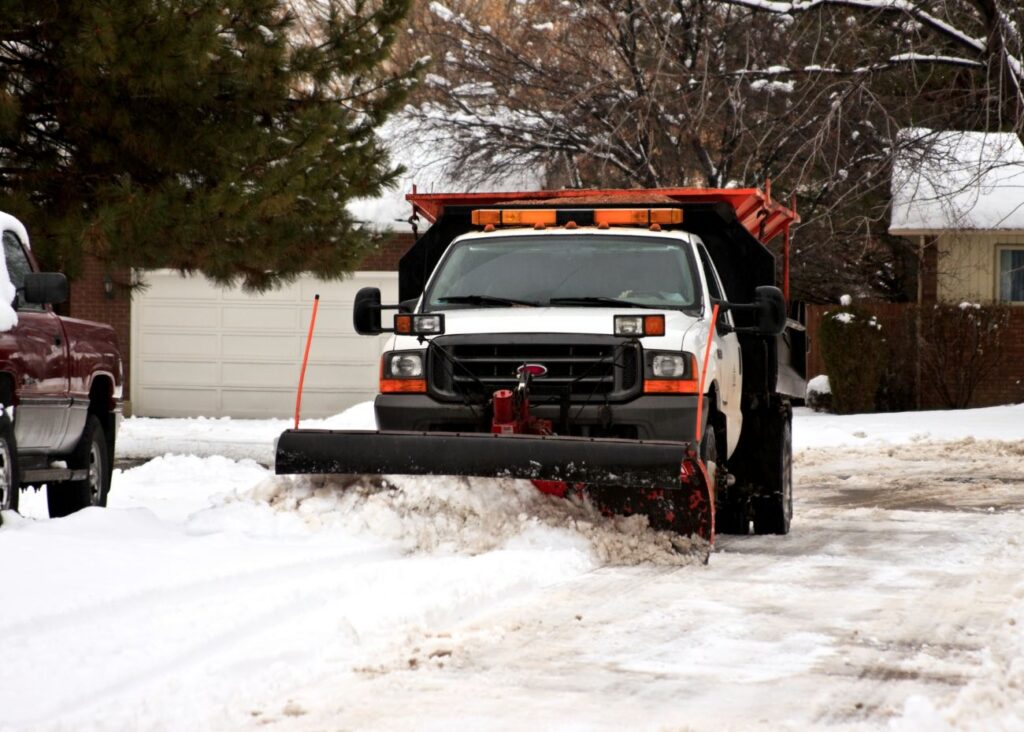
New Jersey winters often bring heavy snow and ice, which can put additional stress on your lawn. While snow can act as an insulating blanket that protects the grass, ice can cause damage by suffocating the grass or creating conditions for mold and fungal growth. To prevent ice damage, make sure your lawn is properly aerated and that the grass is not overly wet.
Avoid Walking on Your Lawn in the Winter
Walking on your lawn during the winter can cause damage, especially when the ground is frozen or covered with snow. Walking on frozen grass can compact the soil, damage the roots, and create ruts that make it harder for grass to grow come spring.
Winterize Your Lawn for a Healthier Spring
Proper winter lawn care is essential for maintaining a healthy, vibrant garden that will bounce back quickly once spring arrives. By following these simple tips, New Jersey homeowners can ensure their lawns remain protected from the harsh winter elements, allowing for a smoother transition into the growing season. Whether it’s fertilizing, aerating, or cleaning up debris, taking proactive steps now will help set your lawn up for success when the warmer weather returns.