Keeping a lawn green through dry months is not as easy as it used to be. Between water restrictions, higher utility costs, and longer periods without rain, many homeowners are looking for smarter ways to manage outdoor water use. One of the most practical solutions is rainwater harvesting.
Rainwater harvesting lets you capture and store rainfall so you can use it later when your lawn needs it most. Instead of relying entirely on treated tap water, you’re using a free, natural resource that would otherwise go to waste. It’s simple, effective, and easier to set up than most people think.
What Is Rainwater Harvesting?
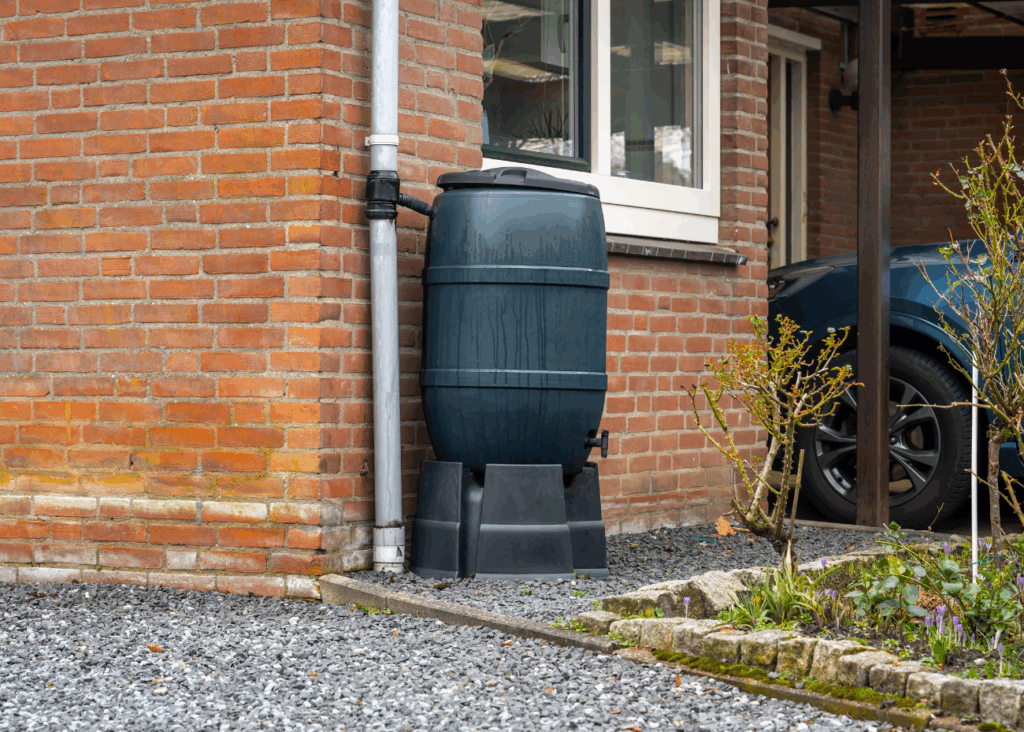
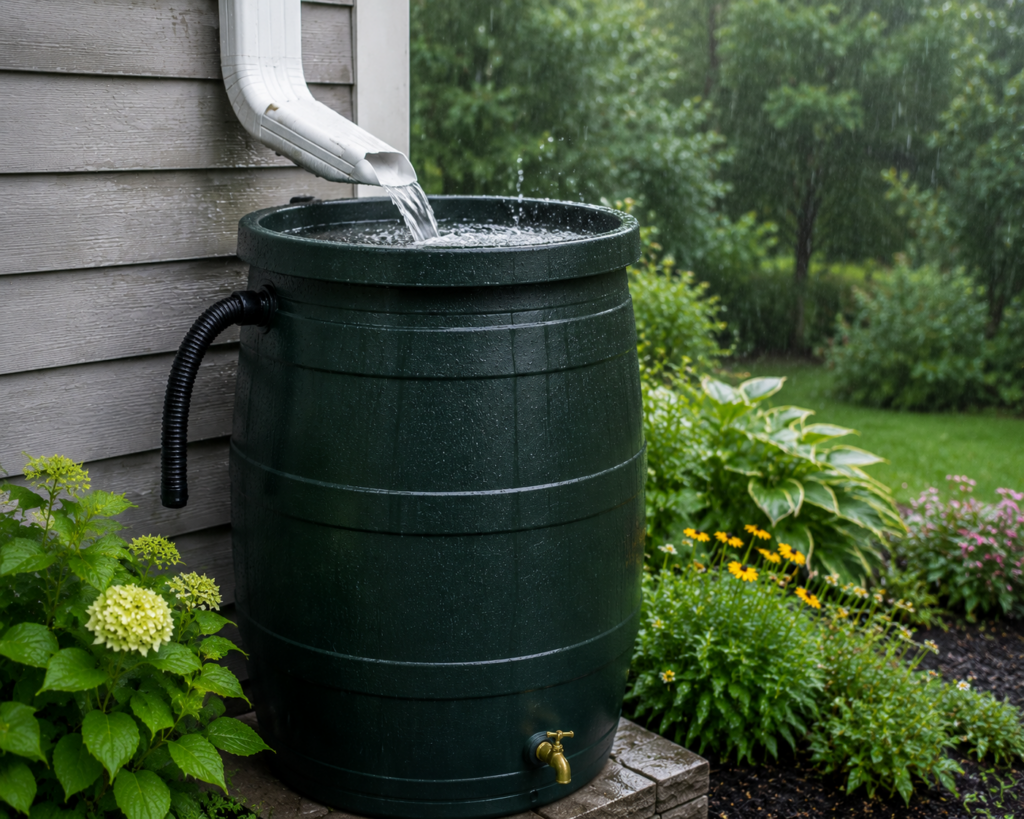
Rainwater harvesting is the process of collecting rain, usually from your roof, and storing it for future use. When it rains, water flows through your gutters and downspouts. A harvesting system redirects that flow into a storage container such as a barrel or tank.
This stored water can then be used during dry periods for tasks like watering your lawn, garden, or landscaping. It’s a straightforward system, but it can make a big difference, especially when rainfall becomes less predictable.
Why Rainwater Is Better for Your Lawn
Rainwater is often a better choice for lawn care than tap water. It’s untreated, which means it doesn’t contain chlorine, salts, or other additives that can build up in soil over time.
Because it’s naturally soft, rainwater absorbs into the soil more easily. This helps grass roots take in moisture more effectively, leading to stronger and healthier growth. Over time, using rainwater can improve overall soil quality and reduce stress on your lawn during hot, dry conditions.
The Real Impact During Dry Months
Dry months are when your lawn is most vulnerable. Without enough water, grass begins to thin out, lose color, and develop dry patches. In some cases, it can go dormant or die off completely. Having a rainwater harvesting system gives you a buffer. Even if it hasn’t rained in a while, you still have a reserve to fall back on. This allows you to maintain consistent watering without depending entirely on local water supplies.
It also gives you more control. Instead of watering less due to restrictions, you can continue to care for your lawn responsibly using stored rainwater. That flexibility can make a noticeable difference in how your lawn looks and recovers during long dry stretches.
How Much Rainwater Can You Collect?
A common question is whether rainwater harvesting really provides enough water to matter. The answer is yes, often more than expected. Even a small roof can collect a large volume of water. A single inch of rainfall on a 1,000 square foot roof can yield hundreds of gallons. With just a few rain events, you can build up a meaningful supply.
This means that even in seasons with limited rainfall, you can still capture enough water to support your lawn between storms. The key is having enough storage and using that water efficiently.
Types of Rainwater Harvesting Systems
You don’t need a complex setup to get started. There are a few common options, depending on your needs and budget.
- Rain Barrels: Rain barrels are the simplest and most affordable option. They’re placed under downspouts to collect runoff from your roof. They’re ideal for small to medium lawns and are easy to install. Many homeowners start with one barrel and expand later if needed.
- Storage Tanks: For larger lawns or areas with longer dry periods, storage tanks provide more capacity. These can hold hundreds or even thousands of gallons. They require more space and planning but offer a more reliable water supply over time.
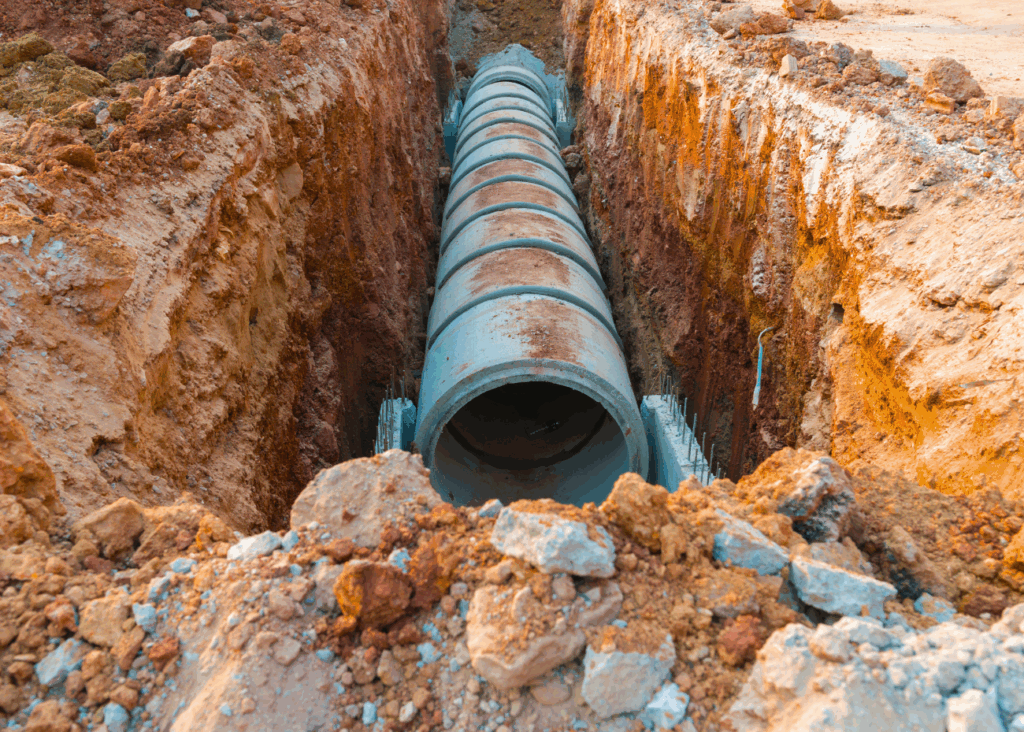
- Underground Systems: These systems store water below ground level, saving space and protecting the water from temperature changes. They’re more expensive and usually part of a long-term landscaping plan, but they’re efficient and low-maintenance once installed.
Improving Water Distribution Efficiency
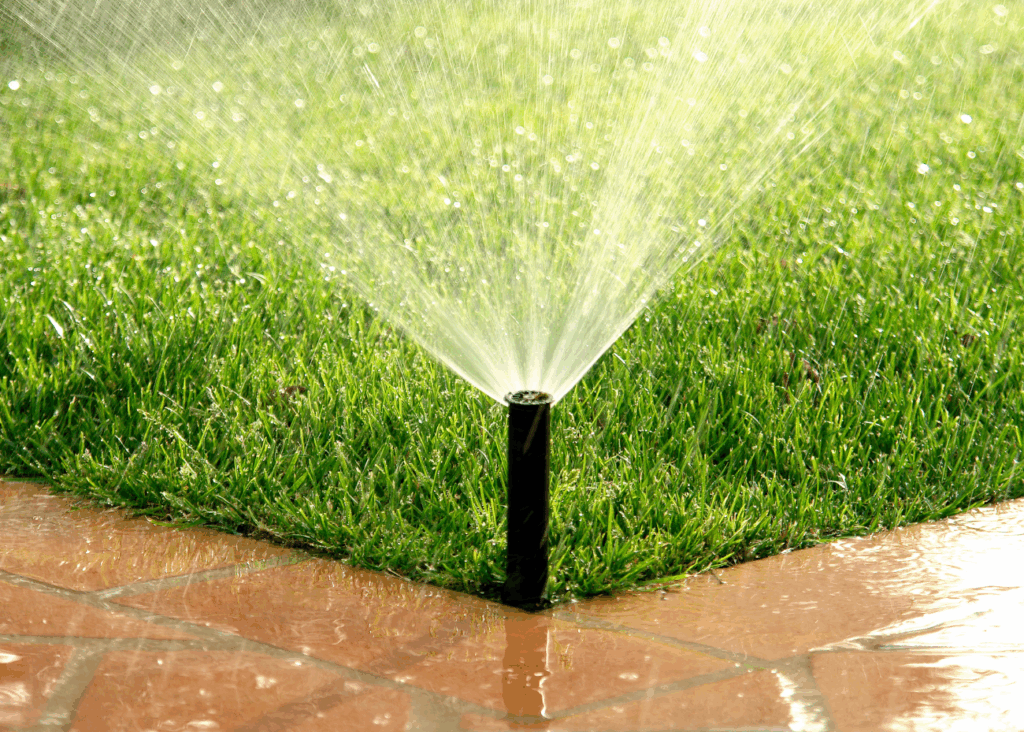
Collecting water is only part of the process. How you use it determines how effective your system will be. Drip irrigation systems are one of the most efficient options. They deliver water slowly and directly to the soil, reducing waste from evaporation or runoff. Soaker hoses work in a similar way and are easy to set up. If you prefer sprinklers, choose low-flow models that are designed to conserve water. These options help stretch your stored rainwater further, especially during extended dry periods.
Final Thoughts
Rainwater harvesting is a smart and practical way to keep your lawn healthy during dry months. It reduces your reliance on treated water, lowers your bills, and gives you more control over how and when you water.
The best part is how flexible it is. You can start small with a single barrel and expand over time as your needs grow. Even a basic system can provide real benefits when used consistently. By collecting rainwater and using it wisely, you’re not just maintaining your lawn. You’re building a more efficient, sustainable approach to outdoor care that works with nature instead of against it.