Keeping a lawn healthy and attractive doesn’t have to mean high water bills, constant mowing, or heavy use of fertilizers. In fact, many traditional lawn care practices are resource-intensive and expensive over time. Sustainable lawn care focuses on smarter, more efficient ways to maintain grass and landscaping while reducing environmental impact. By adopting eco-friendly practices, homeowners can save water, lower maintenance costs, and still enjoy a vibrant outdoor space. These strategies are not only better for the environment but also make lawn care simpler and more cost-effective in the long run.
Choosing Drought-Resistant Grass Varieties
One of the most effective ways to reduce water usage is by selecting grass types that naturally require less irrigation. Drought-resistant varieties such as tall fescue, Bermuda grass, or buffalo grass are designed to withstand dry conditions while staying healthy and green. These grasses develop deeper root systems, allowing them to access moisture more efficiently from the soil. By planting the right type of grass for your region, you can significantly reduce the need for frequent watering. Over time, this leads to lower utility bills and a lawn that is more resilient during hot summer months.
Improving Soil Health for Better Water Retention
Healthy soil plays a major role in how efficiently your lawn uses water. Soil that is compacted or lacking organic matter tends to drain poorly or dry out too quickly, requiring more frequent irrigation. By aerating your lawn and adding compost or organic amendments, you can improve soil structure and increase its ability to retain moisture. This allows water to penetrate deeper into the ground, where it can be used more effectively by grass roots. Better soil health also promotes stronger root growth, reducing the need for fertilizers and chemical treatments over time.
Using Smart and Efficient Irrigation Systems
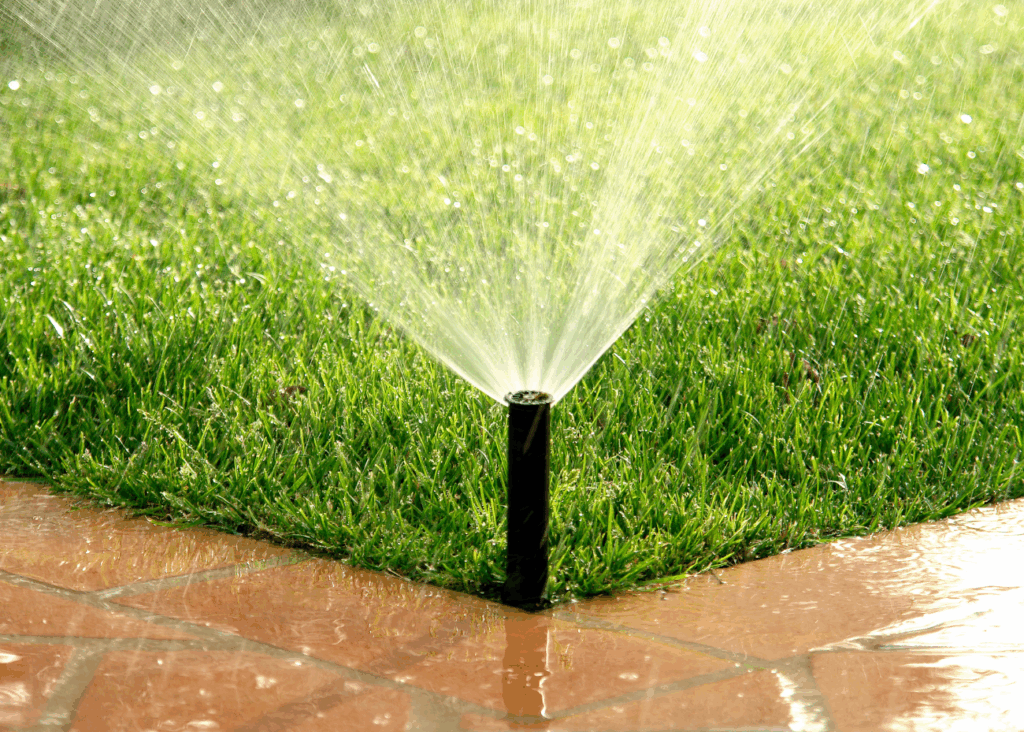
Traditional sprinklers often waste water through evaporation, runoff, or overwatering. Upgrading to more efficient irrigation systems can make a significant difference in water conservation. Drip irrigation and soaker hoses deliver water directly to the root zone, minimizing waste and ensuring plants receive consistent moisture. Smart irrigation controllers go a step further by adjusting watering schedules based on weather conditions and soil moisture levels. These systems help prevent overwatering while maintaining a healthy lawn, ultimately reducing both water usage and monthly costs.
Mowing at the Right Height and Frequency
Proper mowing practices are an important part of sustainable lawn care. Cutting grass too short can stress the plant, making it more vulnerable to weeds, pests, and drought. Taller grass blades provide shade to the soil, helping retain moisture and reduce evaporation. It’s also better to mow regularly without removing too much of the grass at once, following the “one-third rule,” which means never cutting more than one-third of the grass height at a time. This approach promotes healthier growth, reduces the need for watering, and helps maintain a more resilient lawn overall.
Reducing Chemical Fertilizer and Pesticide Use
Heavy use of synthetic fertilizers and pesticides can harm soil health and increase long-term maintenance needs. Sustainable lawn care emphasizes natural alternatives, such as compost, organic fertilizers, and integrated pest management. These methods improve soil fertility without disrupting beneficial microorganisms that support plant health. Reducing chemical inputs also minimizes runoff into local water systems, making your lawn care routine more environmentally responsible. Over time, healthier soil and grass require fewer interventions, lowering both costs and maintenance effort.
Practicing Mulching and Grasscycling
Mulching and grasscycling are simple techniques that can significantly improve lawn sustainability. Grasscycling involves leaving grass clippings on the lawn after mowing instead of bagging and disposing of them. These clippings break down quickly and return valuable nutrients to the soil, reducing the need for fertilizer. Mulching, especially around trees and garden beds, helps retain soil moisture and regulate temperature. Both practices reduce waste, improve soil quality, and contribute to a healthier lawn ecosystem with less effort and expense.
Landscaping with Water Efficiency in Mind
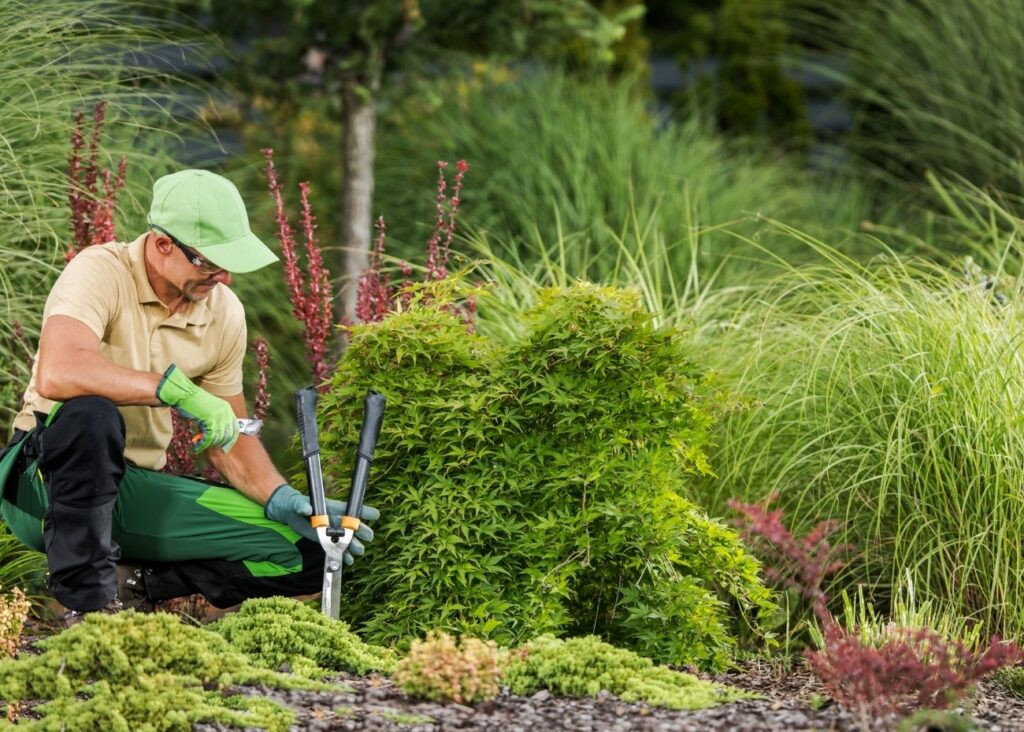
Sustainable lawn care often goes hand in hand with thoughtful landscaping design. Incorporating native plants, ground covers, and drought-tolerant shrubs can reduce the amount of grass that needs regular watering and maintenance. Grouping plants with similar water needs together also helps improve irrigation efficiency. In some cases, replacing portions of traditional turf with alternative landscaping materials or garden areas can significantly reduce water usage. A well-planned landscape not only looks attractive but also minimizes ongoing maintenance demands.
Long-Term Savings and Environmental Benefits
Adopting sustainable lawn care practices is not just about short-term savings—it creates long-term benefits for both homeowners and the environment. Reduced water usage lowers utility bills, while healthier soil and grass reduce the need for expensive fertilizers, pesticides, and repairs. Over time, a sustainably maintained lawn becomes more self-sufficient, requiring less intervention to stay healthy. At the same time, these practices help conserve water resources and reduce pollution, contributing to a more environmentally responsible way of living.
Creating a Low-Maintenance, Eco-Friendly Lawn
Sustainable lawn care is about working with nature rather than against it. By choosing the right grass, improving soil health, using efficient irrigation, and reducing chemical inputs, homeowners can create outdoor spaces that are both beautiful and easy to maintain. These practices save water, reduce costs, and make lawn care less time-consuming without sacrificing appearance. With a thoughtful approach, it’s possible to enjoy a lush, healthy lawn that supports both your budget and the environment.