
A beautiful landscape needs more than plants, grass, mulch, and hardscaping. It also needs the right water management plan. By incorporating sprinkler systems and drainage into your landscape design from the beginning, you can help your lawn stay healthy, protect your property from water damage, and make outdoor maintenance much easier.
Start With a Full Yard Assessment
Before adding sprinklers or drainage, look at how water already moves through your yard. Notice where the ground stays dry, where puddles form, where runoff collects, and where plants seem stressed. This information helps you design a system that delivers water where it is needed while moving excess water away from problem areas.
Design Irrigation Around Plant Needs
Different parts of your landscape may need different amounts of water. Grass, shrubs, trees, flower beds, native plants, and garden areas should not always be watered the same way. Grouping plants with similar water needs can make your sprinkler system more efficient and help prevent overwatering or underwatering.
Create Irrigation Zones
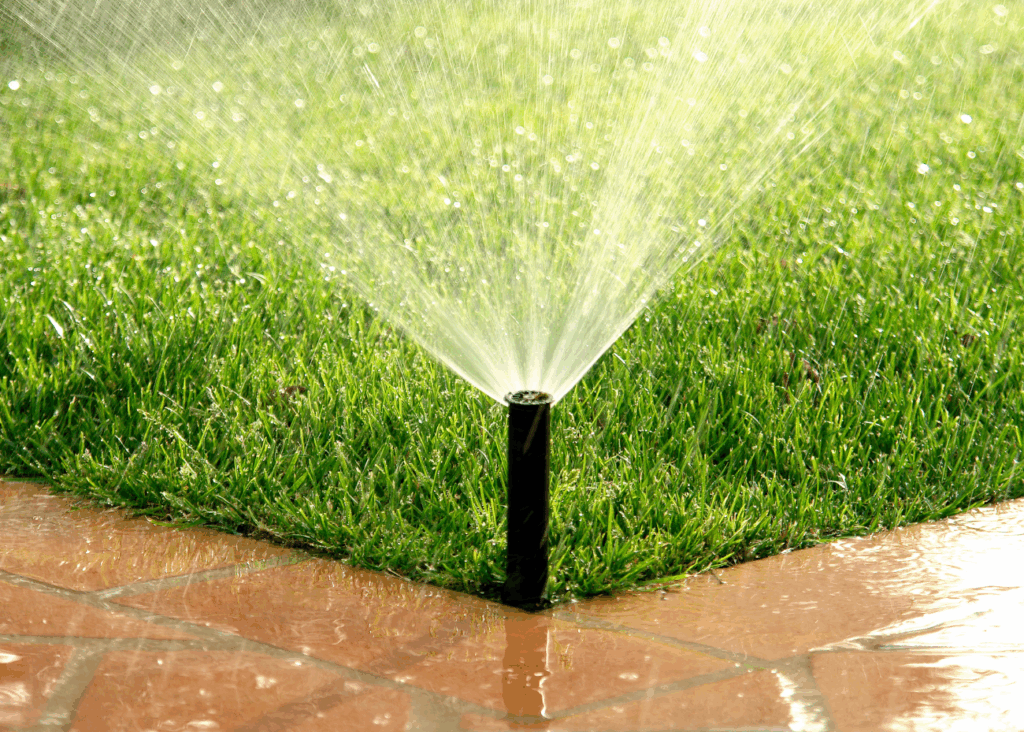
Sprinkler zones allow you to water different areas of the landscape separately. A sunny lawn area may need more frequent watering than a shaded garden bed, while newly planted shrubs may need a different schedule than established trees. Zoning your sprinkler system helps each area get the right amount of water without wasting it across the whole yard.
Choose the Right Sprinkler Heads
The type of sprinkler head you choose affects coverage, efficiency, and water use. Spray heads work well for smaller lawn areas, rotary heads can cover larger spaces, and drip irrigation is often best for beds, shrubs, trees, and foundation plantings. Choosing the right equipment for each area helps water reach roots instead of sidewalks, driveways, fences, or walls.
Include Drip Irrigation for Plant Beds
Drip irrigation is a smart option for garden beds, shrubs, and landscaped borders. It delivers water slowly and directly to the root zone, which can reduce evaporation and runoff. This method is especially useful for areas with mulch, delicate plants, or narrow spaces where traditional sprinklers may overspray.
Plan Drainage Before Installing Hardscaping
Patios, walkways, retaining walls, driveways, and outdoor living areas can change how water moves through your yard. If drainage is not planned before hardscaping is installed, water may collect against structures, wash out soil, or create slippery surfaces. Proper grading, drains, gravel bases, and runoff paths should be part of the design before construction begins.
Use Grading to Direct Water
Grading is one of the most important parts of landscape drainage. The yard should slope in a way that moves water away from the home, foundation, patios, and low areas. Even small grading adjustments can help prevent standing water, soil erosion, and moisture problems near your house.
Add French Drains Where Needed
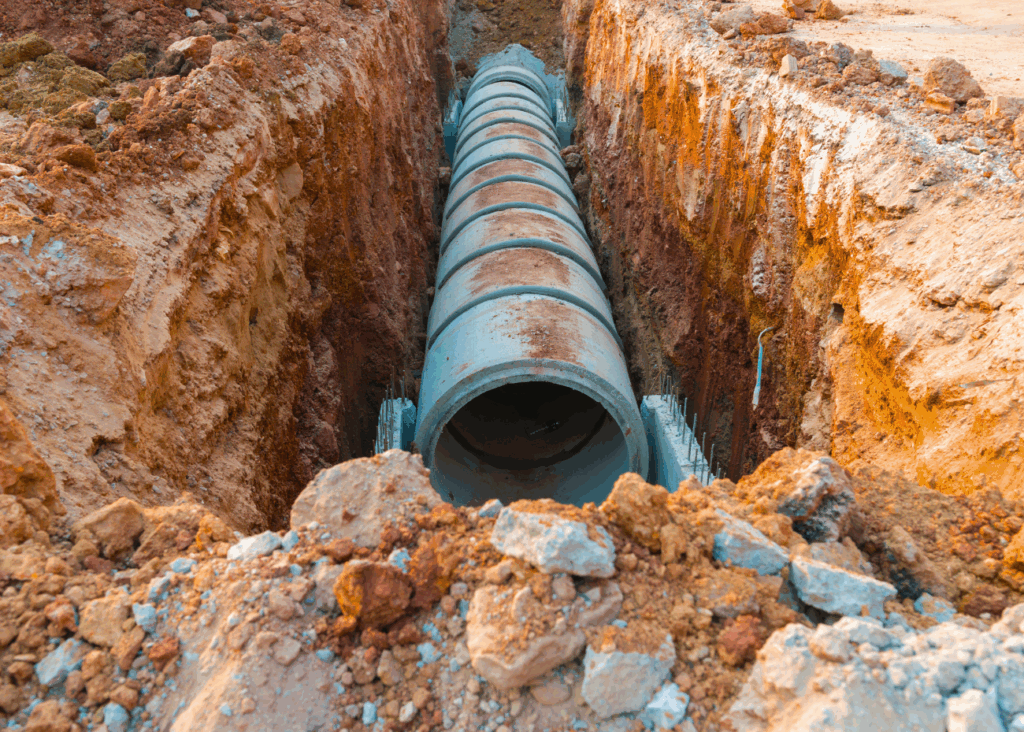
French drains can help move water away from soggy areas, foundations, or low spots in the yard. They use a gravel-filled trench and perforated pipe to collect and redirect excess water. This can be a good solution when surface water continues to collect after rain or irrigation.
Consider Catch Basins and Channel Drains
Catch basins and channel drains are useful in areas where water gathers quickly. They can collect runoff from patios, driveways, walkways, downspouts, or low lawn sections and move it through underground piping. These drainage features can help prevent pooling, erosion, and water damage around outdoor spaces.
Connect Downspouts Carefully
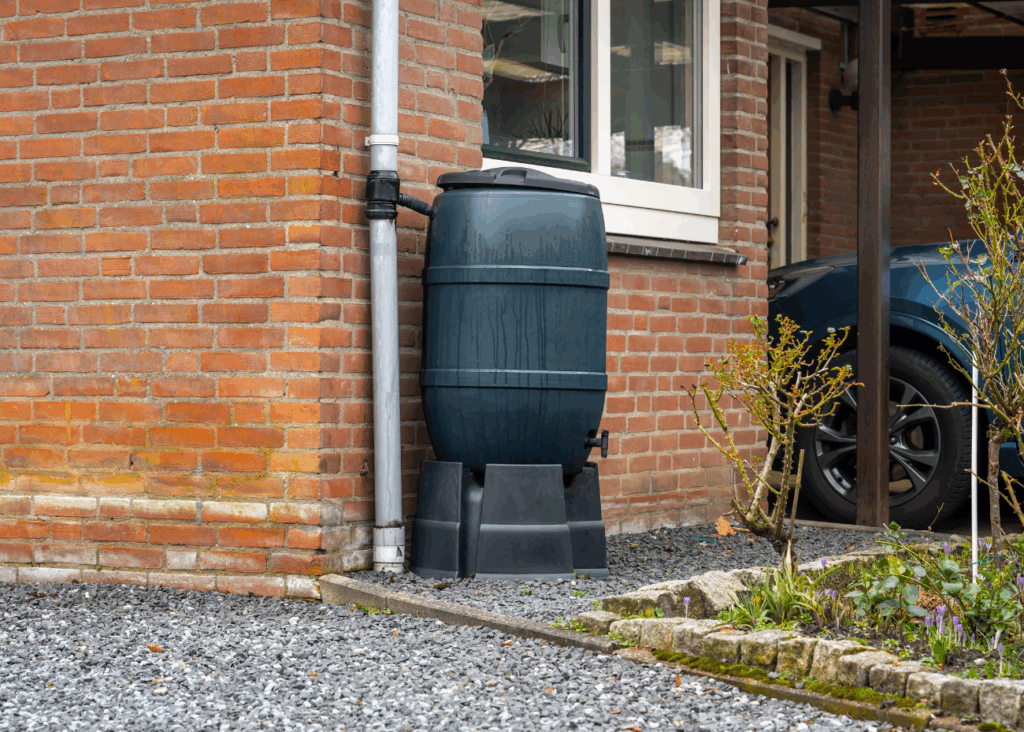
Roof runoff can add a large amount of water to your landscape during storms. Downspouts should direct water away from the foundation and into a safe drainage area, dry well, rain garden, or approved discharge point. Connecting downspouts into the overall drainage plan can reduce flooding and protect both the home and landscape.
Use Smart Irrigation Controls
Smart irrigation controllers can make watering more efficient by adjusting schedules based on weather, rainfall, temperature, and soil moisture. This helps prevent watering during rain or after the ground is already saturated. A smart system can also make it easier to maintain a healthy landscape while reducing water waste.
Balance Beauty and Function
Sprinkler systems and drainage features do not have to take away from your landscape design. Many parts of the system can be hidden underground, blended into plant beds, or placed discreetly near hardscaping. With thoughtful planning, your yard can look beautiful while still managing water properly behind the scenes.
Build a Landscape That Handles Water the Right Way
Incorporating sprinkler systems and drainage into your landscape design helps protect your lawn, plants, hardscaping, and home. A good plan delivers water efficiently where it is needed and moves excess water away before it causes damage. When irrigation and drainage work together, your landscape becomes healthier, easier to maintain, and better prepared for changing weather.