A well-functioning sprinkler system is one of the most efficient ways to maintain a healthy, green lawn and landscape. It provides consistent watering, saves time, and helps ensure that plants receive the moisture they need throughout the growing season. However, like any mechanical system, sprinklers can develop problems over time due to wear, weather conditions, or improper maintenance. Understanding the most common sprinkler system issues—and how to fix them—can help homeowners avoid costly repairs, conserve water, and keep their landscapes in excellent condition.
Uneven Watering Patterns
One of the most common sprinkler problems is uneven water distribution across the lawn. This can result in some areas being overly saturated while others remain dry and patchy. Uneven watering is often caused by misaligned sprinkler heads, clogged nozzles, or inconsistent water pressure. To fix this issue, homeowners should first inspect each sprinkler head to ensure it is properly positioned and unobstructed. Cleaning clogged nozzles and adjusting spray patterns can significantly improve coverage. In some cases, upgrading or replacing outdated sprinkler heads may be necessary for more uniform watering.
Clogged or Dirty Sprinkler Heads
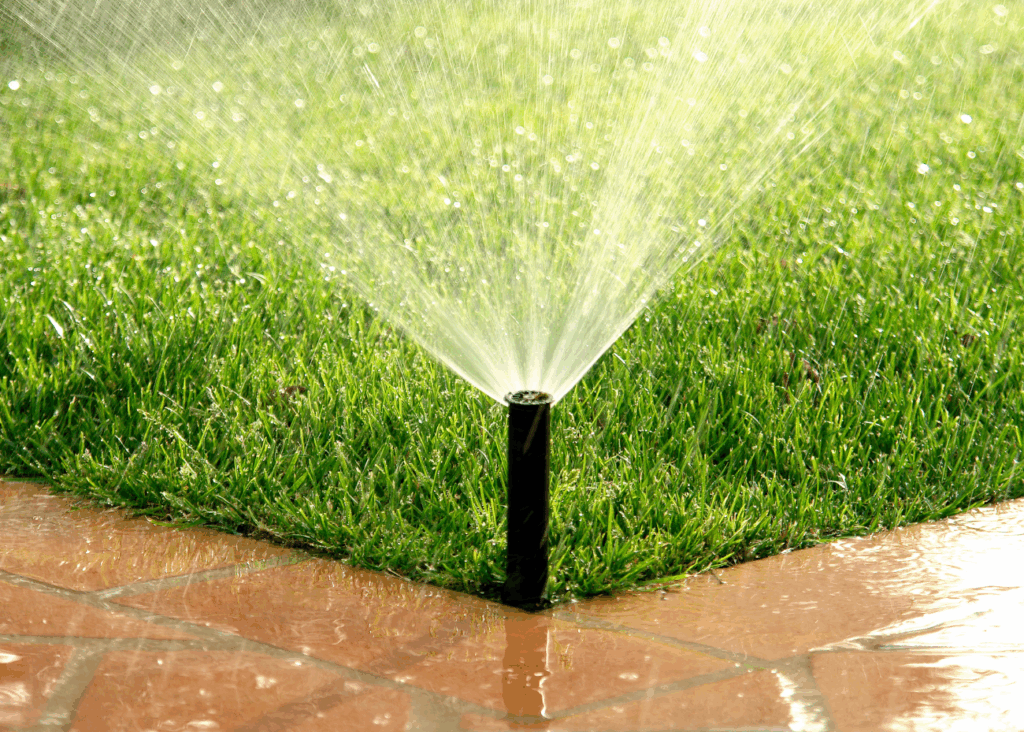
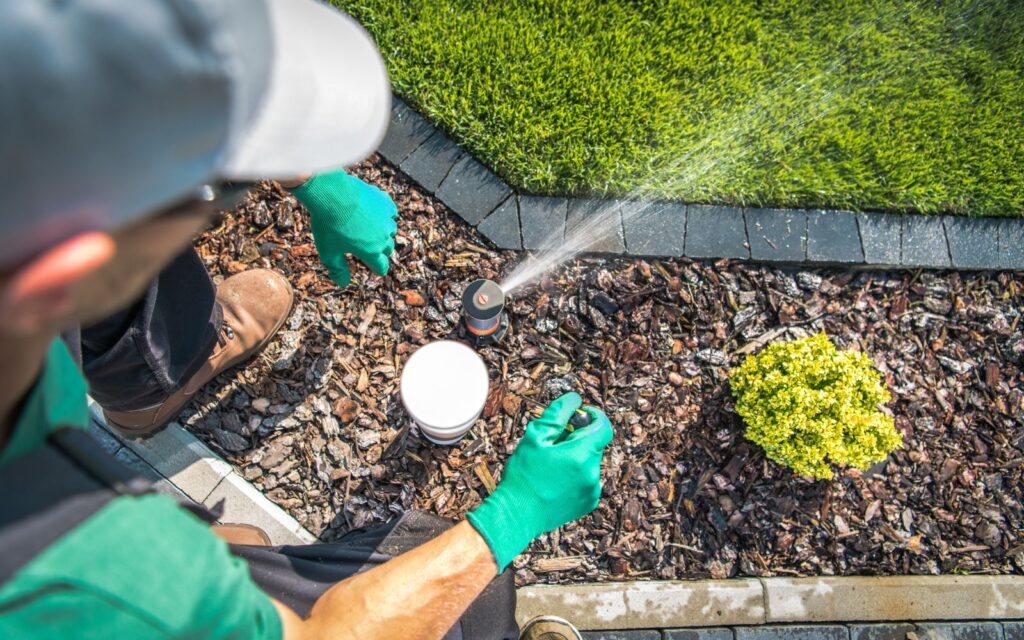
Sprinkler heads are exposed to dirt, grass clippings, and debris, making them prone to clogging. When this happens, water flow can become restricted or completely blocked, leading to dry spots in the yard. Cleaning sprinkler heads regularly is an effective way to prevent this issue. Homeowners can remove the head, rinse it under water, and use a small tool or compressed air to clear any blockages. Installing filter screens or performing routine seasonal maintenance can also help reduce buildup and keep the system running smoothly.
Leaking Sprinkler Heads
Leaks in sprinkler heads can waste a significant amount of water and reduce system efficiency. This problem is often caused by cracked housings, worn seals, or loose connections. A leaking sprinkler head may also result in pooling water around the fixture when the system is off. To fix the issue, the damaged sprinkler head should be replaced or repaired as soon as possible. Ensuring all connections are tight and using high-quality replacement parts can help prevent future leaks. Regular inspection of the system can catch leaks early before they become more serious.
Low Water Pressure
Low water pressure can prevent sprinkler heads from operating correctly, resulting in weak spray patterns and poor coverage. This issue may be caused by pipe leaks, partially closed valves, clogged filters, or municipal water supply problems. Homeowners should begin troubleshooting by checking valves to ensure they are fully open and inspecting the system for visible leaks. Cleaning filters and replacing damaged pipes may also restore proper pressure. If the issue persists, consulting a professional may be necessary to assess the overall system design and water supply capacity.
Sprinkler Heads Not Popping Up
When sprinkler heads fail to rise during operation, it is often due to dirt buildup, mechanical damage, or low water pressure. Debris can become lodged in the riser, preventing smooth movement. In other cases, internal components may be worn or broken. Cleaning around the sprinkler head and flushing the system can sometimes resolve the issue. If the problem continues, replacing the affected sprinkler head is usually the most effective solution. Ensuring proper water pressure throughout the system can also help prevent recurrence.
Overspraying or Misaligned Sprinklers
Sprinkler heads that are misaligned can cause water to spray onto driveways, sidewalks, or buildings instead of the lawn. This not only wastes water but can also lead to erosion or water damage in unwanted areas. Adjusting the direction and angle of sprinkler heads is typically a simple fix. Most modern sprinkler systems allow for easy adjustment of spray patterns and rotation. Regularly checking alignment helps ensure efficient water usage and optimal lawn coverage.
Broken or Damaged Pipes
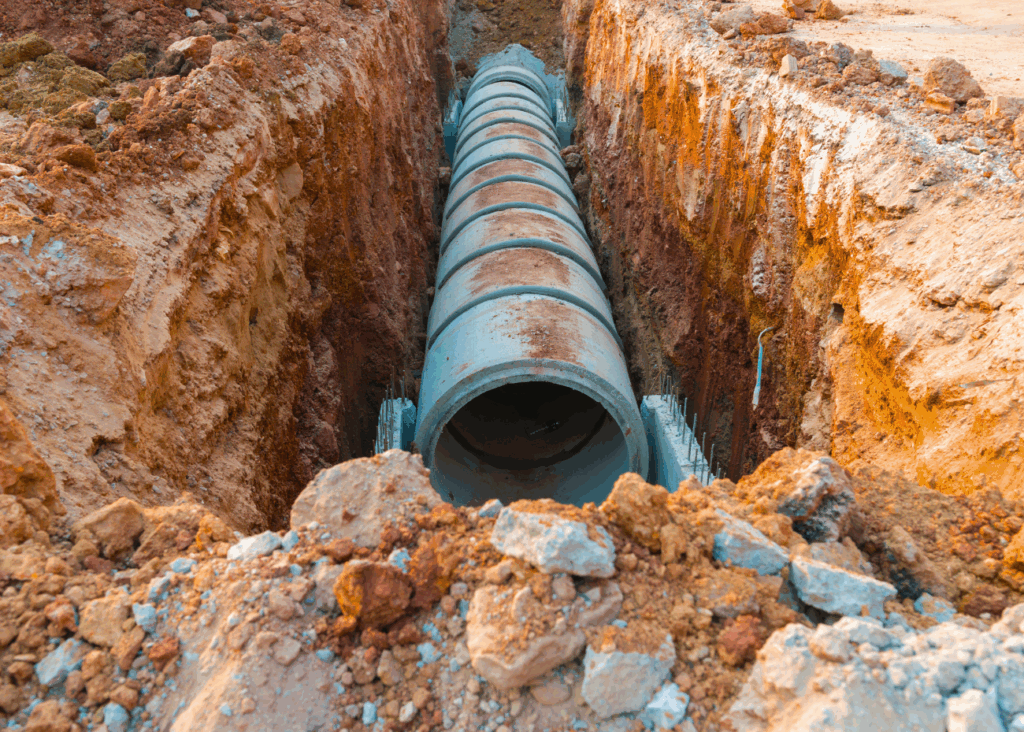
Underground sprinkler pipes can become damaged due to shifting soil, tree roots, or freezing temperatures. Signs of broken pipes include soggy patches in the yard, reduced water pressure, or visible water pooling. Repairing damaged pipes typically involves digging up the affected section and replacing it with new piping. In some cases, professional assistance may be required to locate hidden leaks or perform complex repairs. Preventative measures such as winterizing the system can help reduce the risk of pipe damage.
Timer or Controller Malfunctions
The sprinkler system controller is responsible for scheduling and regulating watering cycles. When it malfunctions, it can cause irregular watering, missed cycles, or continuous operation. Common causes include electrical issues, outdated programming, or power surges. Resetting the controller, replacing batteries, or reprogramming the schedule can often resolve minor issues. If the controller is outdated or frequently malfunctioning, upgrading to a modern smart irrigation system may provide more reliable performance and better water efficiency.
Valve Issues
Valves control the flow of water to different zones within a sprinkler system. When valves become stuck or fail to open and close properly, certain areas of the lawn may not receive water. This problem is often caused by debris buildup, electrical issues in solenoid valves, or worn internal components. Cleaning or replacing faulty valves can restore proper function. Regular system inspections help ensure that all zones are receiving adequate water coverage.
Water Waste and Overwatering
Overwatering is a common issue that can lead to wasted water, increased utility bills, and unhealthy plant growth. This often results from incorrect timer settings or poorly calibrated sprinkler heads. Adjusting watering schedules based on seasonal needs and soil conditions can help prevent overwatering. Installing rain sensors or moisture sensors can also improve efficiency by preventing unnecessary irrigation during wet conditions.
Seasonal Maintenance Neglect
Failing to properly maintain a sprinkler system throughout the year can lead to a variety of performance issues. Seasonal maintenance tasks such as winterizing the system, checking for leaks, and cleaning sprinkler heads are essential for long-term reliability. Neglecting these tasks can result in frozen pipes, clogged components, and inefficient operation. Establishing a regular maintenance routine helps ensure that the system remains in good working condition year-round.
Sprinkler systems are an essential part of maintaining a healthy and attractive landscape, but they require regular attention to function properly. Common issues such as clogged heads, leaks, low water pressure, and controller malfunctions can all impact performance if left unaddressed. By understanding these problems and taking proactive steps to fix them, homeowners can ensure efficient water usage, reduce repair costs, and keep their lawns in excellent condition. With proper maintenance and timely repairs, a sprinkler system can provide reliable performance for many years.