
Proper drainage is essential for maintaining a healthy lawn and landscape. When water does not flow away from your property as it should, it can lead to a range of problems including soggy soil, plant damage, erosion, and even structural issues near your home’s foundation. Drainage problems are common in many yards due to compacted soil, poor grading, or inadequate water management systems. Fortunately, there are several effective ways to identify and correct these issues. By understanding the causes and solutions, homeowners can protect their landscape and maintain a more functional outdoor space.
Identifying Signs of Poor Drainage
The first step in addressing drainage issues is recognizing the warning signs. Common indicators include standing water after rainfall, muddy or spongy lawn areas, and patches of grass that appear yellow or unhealthy. You may also notice water pooling near your home’s foundation or along low-lying areas of your yard. In some cases, soil erosion or exposed plant roots may be visible. Identifying these symptoms early allows homeowners to take corrective action before more serious damage occurs.
Improving Soil Structure
Soil composition plays a major role in how well water drains through a landscape. Heavy clay soils, for example, tend to retain water and drain slowly, while sandy soils allow water to pass through more easily. Improving soil structure can significantly enhance drainage performance. Adding organic matter such as compost helps break up compacted soil and increases its ability to absorb and distribute water evenly. Aerating the lawn is another effective method that creates small openings in the soil, allowing air and water to penetrate more efficiently.
Leveling and Regrading the Lawn
Improper grading is one of the most common causes of drainage problems. If your yard slopes toward your home or has uneven low spots, water can accumulate in unwanted areas. Regrading the landscape helps redirect water flow away from structures and toward appropriate drainage zones. This process may involve adding soil to low areas or reshaping the terrain to create a gentle slope. Proper grading ensures that rainwater moves naturally away from your home and prevents long-term water buildup.
Installing French Drains
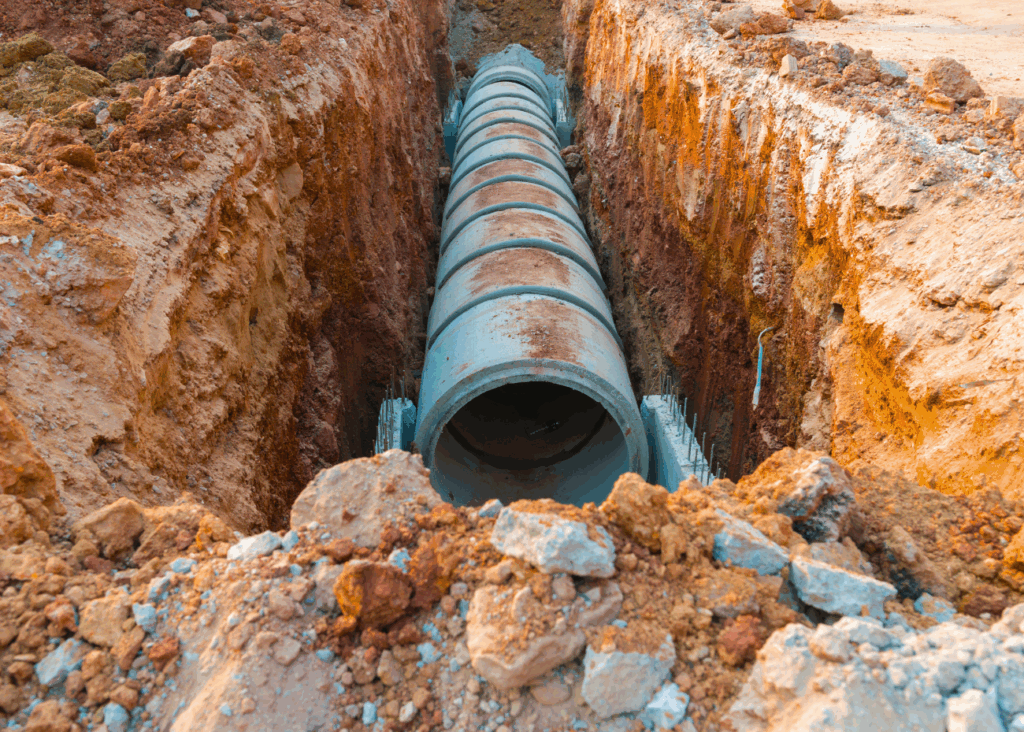
French drains are a highly effective solution for managing excess water in problem areas. These systems consist of a perforated pipe surrounded by gravel that collects and redirects water away from saturated soil. French drains are typically installed in trenches along low-lying areas or near structures where water tends to accumulate. Once installed, they help prevent pooling and reduce soil saturation. This solution is particularly useful for yards with persistent drainage issues that cannot be resolved through grading alone.
Using Dry Wells for Water Management
A dry well is another effective drainage solution designed to collect and disperse excess water underground. Water from downspouts, drains, or surface runoff is directed into a buried container filled with gravel or other porous materials. The water gradually seeps into the surrounding soil, reducing surface pooling. Dry wells are especially useful for managing large volumes of water in areas where traditional drainage methods may not be sufficient. Proper installation ensures long-term effectiveness and improved water control.
Installing Surface Drains
Surface drains, also known as catch basins, are designed to collect water from low points in the yard and redirect it through underground piping. These systems are particularly useful in areas where water accumulates quickly during heavy rainfall. Surface drains can be installed in driveways, patios, or lawn areas to capture runoff and prevent flooding. Regular maintenance, including cleaning debris from grates, is important to ensure proper function and prevent blockages.
Redirecting Downspouts
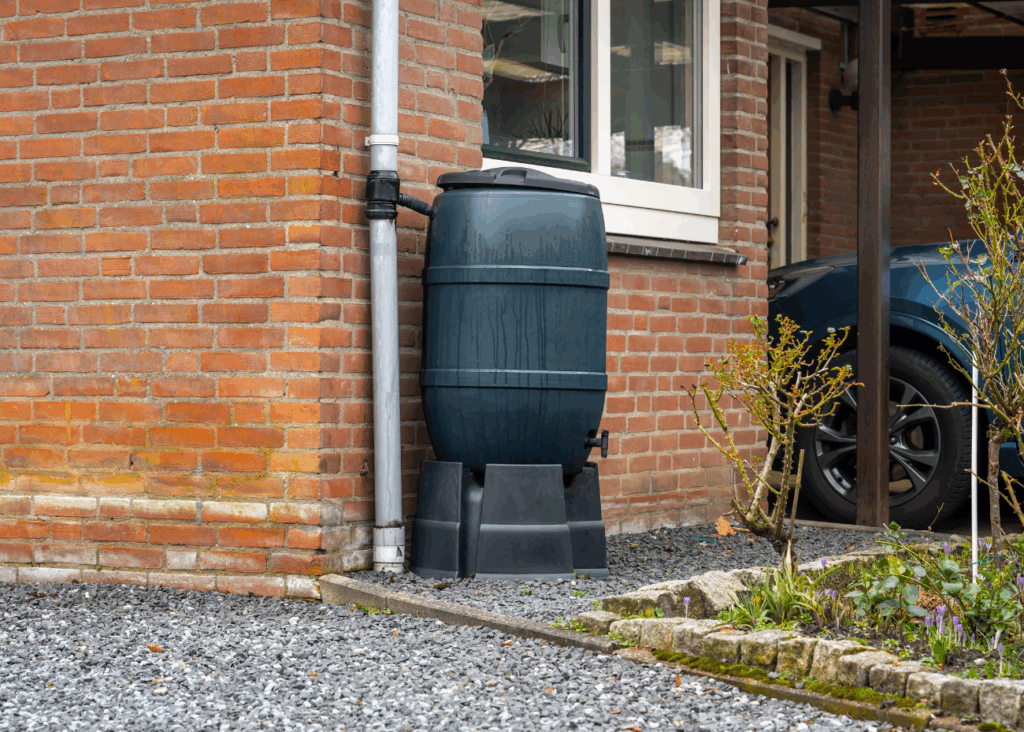
Roof runoff is often a major contributor to drainage problems in lawns and landscapes. When downspouts release water too close to the foundation, it can lead to oversaturation and pooling. Extending downspouts or installing underground drainage pipes helps redirect water away from the home and into safer areas of the yard. This simple adjustment can significantly reduce water accumulation and protect both landscaping and structural elements of the home.
Adding Rain Gardens
Rain gardens are a natural and environmentally friendly way to manage drainage issues while enhancing landscape aesthetics. These gardens are strategically placed in low areas where water tends to collect. They are planted with water-tolerant vegetation that helps absorb excess moisture and improve soil drainage over time. Rain gardens not only reduce runoff but also support local biodiversity and create visually appealing landscape features.
Using Mulch and Ground Cover
Mulch and ground cover plants can help regulate soil moisture and reduce erosion in areas prone to drainage issues. Mulch helps slow water absorption, allowing it to disperse more evenly into the soil. Ground cover plants, such as creeping grasses or low-growing perennials, stabilize the soil and prevent it from washing away during heavy rain. These solutions are especially effective on slopes or in garden beds where erosion is a concern.
Maintaining Healthy Lawn Practices
Regular lawn care practices can also influence drainage performance. Avoiding overwatering, mowing at the correct height, and preventing soil compaction all contribute to better water movement. Heavy foot traffic can compress soil and reduce its ability to absorb water, so rotating activity areas or adding pathways can help. Consistent maintenance ensures that the lawn remains healthy while supporting proper drainage.
Seeking Professional Evaluation
In cases where drainage issues are severe or difficult to diagnose, consulting a landscaping professional may be necessary. Experts can evaluate soil conditions, grading, and existing drainage systems to recommend customized solutions. Professional installation of drainage systems ensures proper design and long-term effectiveness. Investing in expert guidance can prevent costly mistakes and provide lasting improvements to your landscape.
Addressing drainage issues in your lawn and landscape is essential for maintaining a healthy, functional, and visually appealing outdoor space. From improving soil structure and adjusting grading to installing drainage systems and adding natural solutions like rain gardens, there are many effective ways to manage excess water. By identifying problems early and implementing the right solutions, homeowners can protect their property from damage and create a more resilient landscape. Proper drainage not only improves the health of your lawn but also enhances the overall value and enjoyment of your home.