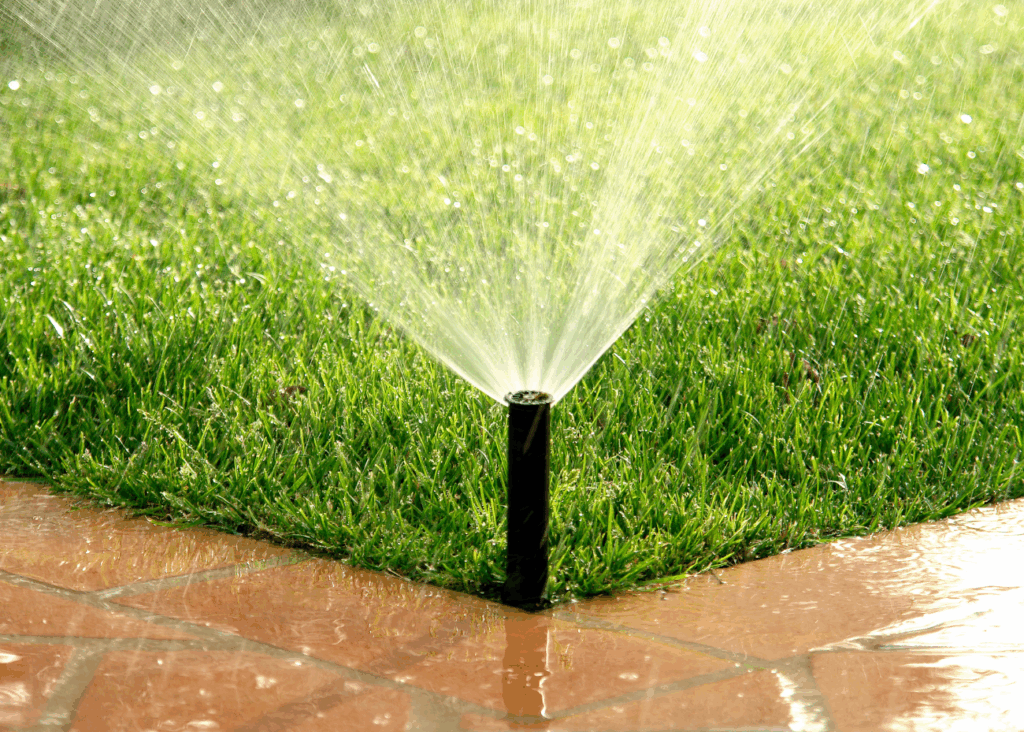
A lush, healthy lawn is a source of pride for any homeowner, but poor drainage can quickly turn a beautiful yard into a muddy, waterlogged mess. Standing water, soggy soil, and patchy grass are all signs that water isn’t flowing properly. Addressing drainage issues is crucial not only for maintaining a vibrant lawn but also for protecting your home’s foundation and landscaping investments. Understanding how to identify and fix drainage problems can help you enjoy a safe, attractive, and functional outdoor space.
Signs of Poor Drainage
The first step in solving drainage issues is recognizing the signs. Look for areas where water tends to pool after rain or irrigation. Patches of soggy or muddy ground, slow-drying spots, and uneven grass growth often indicate water accumulation. You might also notice yellowing or dying grass in certain areas, which can result from oversaturated roots. Soil erosion, puddles near walkways, or water collecting around your home’s foundation are other red flags. Identifying these symptoms early can prevent long-term damage to both your lawn and your property.
Testing Your Soil
Soil composition plays a major role in drainage. Clay-heavy soils retain water and can lead to puddling, while sandy soils drain too quickly, leaving some areas dry. Conducting a simple percolation test can help determine your soil’s drainage capacity. Dig a small hole in your lawn, fill it with water, and monitor how long it takes to drain. If water sits for more than 24 hours, your soil may need amendment or the installation of a drainage system. Testing your soil in multiple areas ensures you get a complete picture of your yard’s drainage issues.
Using Grading to Improve Drainage
One of the most effective ways to fix poor drainage is by adjusting the grading of your lawn. Proper grading ensures that water flows away from low spots and your home’s foundation. Even a slight slope can make a significant difference in preventing standing water. Adding soil to low areas or reshaping the yard to create gentle slopes allows water to move naturally toward designated drainage points, such as storm drains or retention areas. Regularly checking and maintaining the grading can help prevent new drainage problems from developing over time.
Installing Drainage Systems
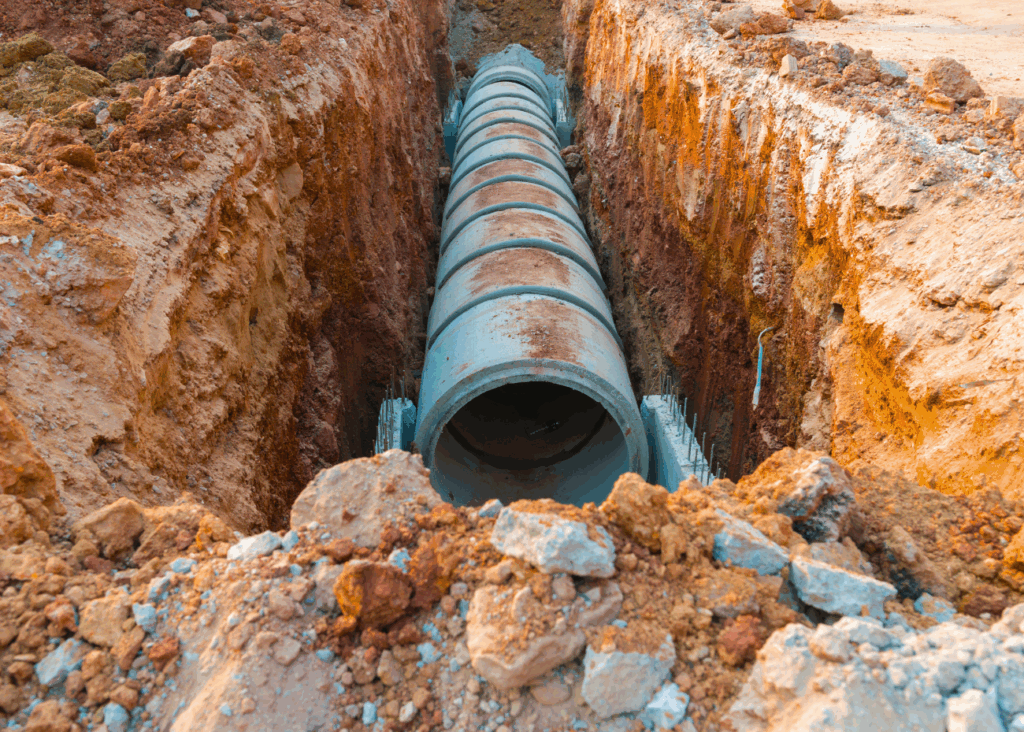
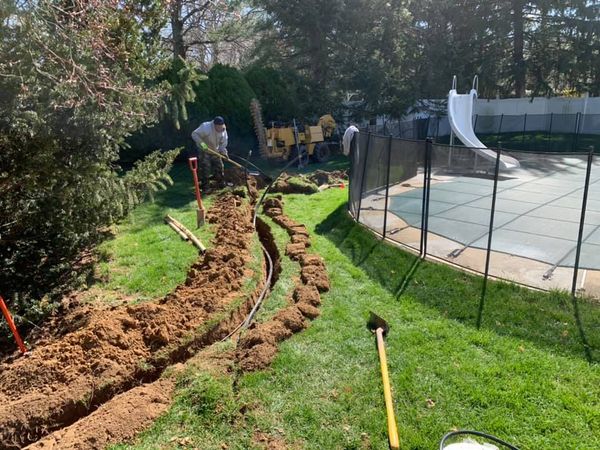
For more severe or persistent drainage issues, installing a dedicated drainage system may be necessary. French drains, which consist of perforated pipes surrounded by gravel, are ideal for redirecting water from low-lying areas. Channel drains can be placed along walkways or patios to catch runoff before it spreads across your lawn. Dry wells and catch basins are other solutions that collect excess water and disperse it safely underground. Consulting a professional landscaper or drainage expert can help determine the most effective system for your property and ensure proper installation.
Amending Your Soil
Sometimes, poor drainage can be improved by amending your soil. Adding organic matter like compost or peat moss helps improve soil structure, allowing water to penetrate more easily in clay-heavy areas and retain moisture in sandy areas. Aerating your lawn is another simple method to enhance drainage. By creating small holes in the soil, you improve air and water movement to the roots, reducing compaction and promoting healthier grass growth. Combining soil amendments with proper grading and drainage systems ensures long-lasting results.
Creating Rain Gardens
Rain gardens are a creative and eco-friendly way to manage excess water in your yard. These shallow, planted depressions are designed to collect runoff and allow it to slowly soak into the ground. Choosing native plants that thrive in wet conditions ensures that the garden can absorb water efficiently while adding beauty to your landscape. Rain gardens also help reduce erosion, improve soil quality, and provide habitats for pollinators and other wildlife, making them a functional and aesthetic solution for drainage issues.
Maintaining Gutters and Downspouts
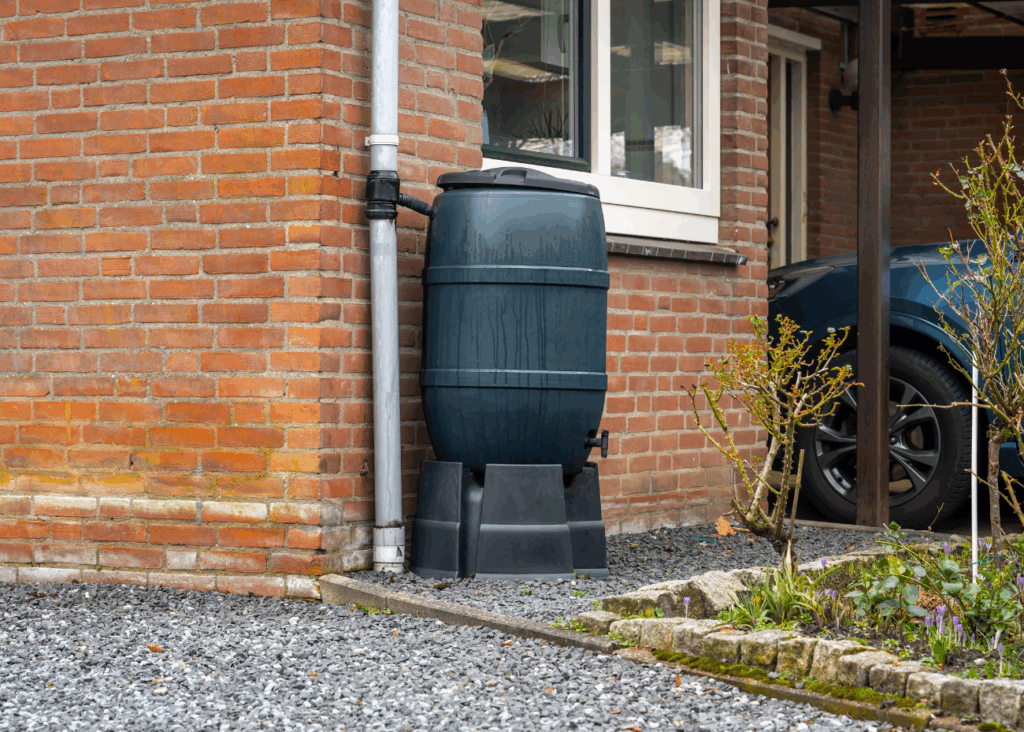
Poor drainage often starts at the roofline. Clogged or improperly directed gutters can funnel water onto your lawn instead of away from your home. Regularly cleaning gutters and ensuring downspouts extend away from your foundation can prevent water from pooling near your house. Installing downspout extensions or splash blocks can help direct runoff to safe areas, reducing the risk of water damage and improving overall lawn drainage.
Preventing Future Drainage Problems
Once you’ve addressed current drainage issues, maintaining your lawn properly can prevent future problems. Regular aeration, proper mowing, and consistent soil testing all contribute to healthy soil that drains efficiently. Avoid overwatering, especially in areas prone to pooling, and monitor low spots for changes after heavy rain. Establishing proper drainage as part of your routine lawn care ensures that your yard remains safe, attractive, and functional year-round.
Poor drainage can cause more than just an unsightly lawn—it can lead to soil erosion, damaged plants, and foundation issues. By identifying signs of standing water, testing your soil, improving grading, installing drainage systems, amending soil, and using rain gardens, homeowners can address drainage problems effectively. Maintaining gutters and downspouts and monitoring your lawn regularly ensures long-term success. Proper drainage not only protects your home and landscaping investments but also enhances the usability and enjoyment of your outdoor spaces. With the right strategies, you can transform a waterlogged yard into a healthy, beautiful lawn that stands up to both rainstorms and heavy use.