Sustainable gardening is becoming increasingly important as homeowners look for ways to conserve resources and reduce environmental impact. One of the most effective and practical methods for achieving this is rainwater harvesting. A rainwater harvesting system collects and stores rainwater from rooftops or other surfaces so it can be reused for gardening and outdoor needs. This simple yet powerful approach reduces reliance on municipal water, lowers utility costs, and helps create a healthier, more self-sufficient garden. Beyond its environmental advantages, rainwater harvesting also improves plant health and supports long-term garden sustainability.
Reducing Water Bills and Conserving Resources
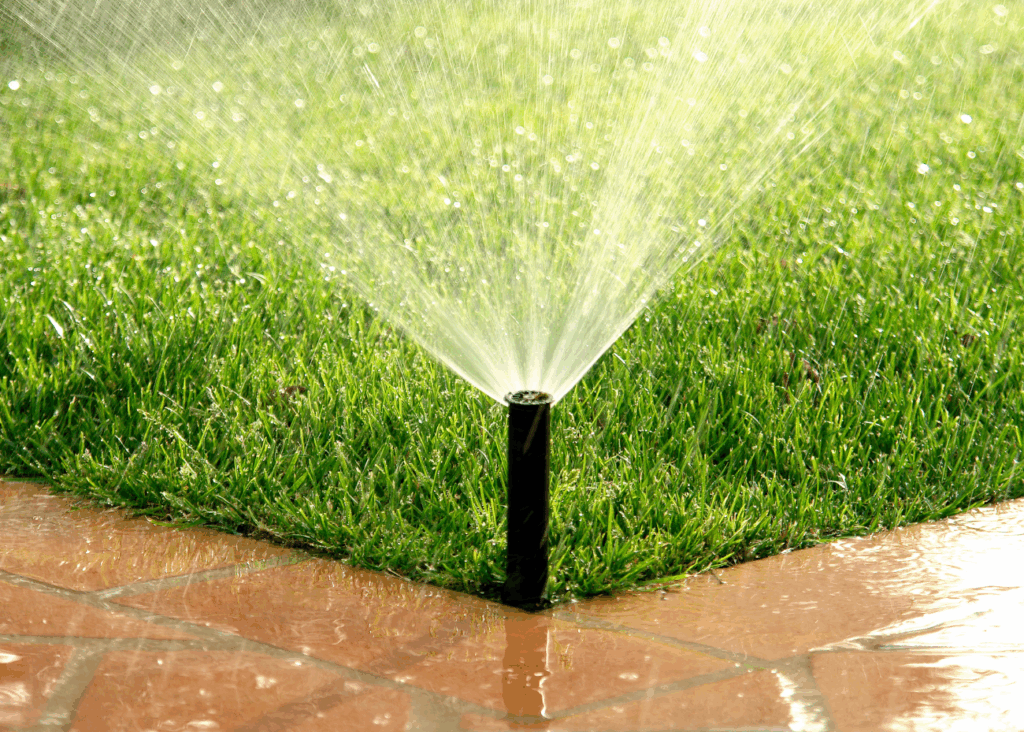
One of the most immediate benefits of a rainwater harvesting system is the reduction in water costs. Outdoor watering can account for a significant portion of household water usage, especially during warmer months when gardens require frequent irrigation. By collecting and using rainwater instead of tap water, homeowners can significantly lower their utility bills. Rainwater is a free and renewable resource, making it an efficient alternative for everyday garden use. Over time, this practice not only saves money but also reduces pressure on local water supplies, which is especially important in areas prone to drought or water restrictions.
Providing Healthier Water for Plants
Rainwater is naturally soft and free from many of the chemicals found in treated municipal water, such as chlorine and fluoride. These additives, while safe for human use, can sometimes affect soil quality and plant health over time. Rainwater, on the other hand, contains natural nutrients and has a balanced pH level that is often more beneficial for plant growth. Gardeners frequently notice that plants watered with rainwater appear healthier, greener, and more resilient. Using harvested rainwater supports stronger root systems and promotes overall plant vitality without introducing unnecessary chemicals into the soil.
Supporting Sustainable Water Management
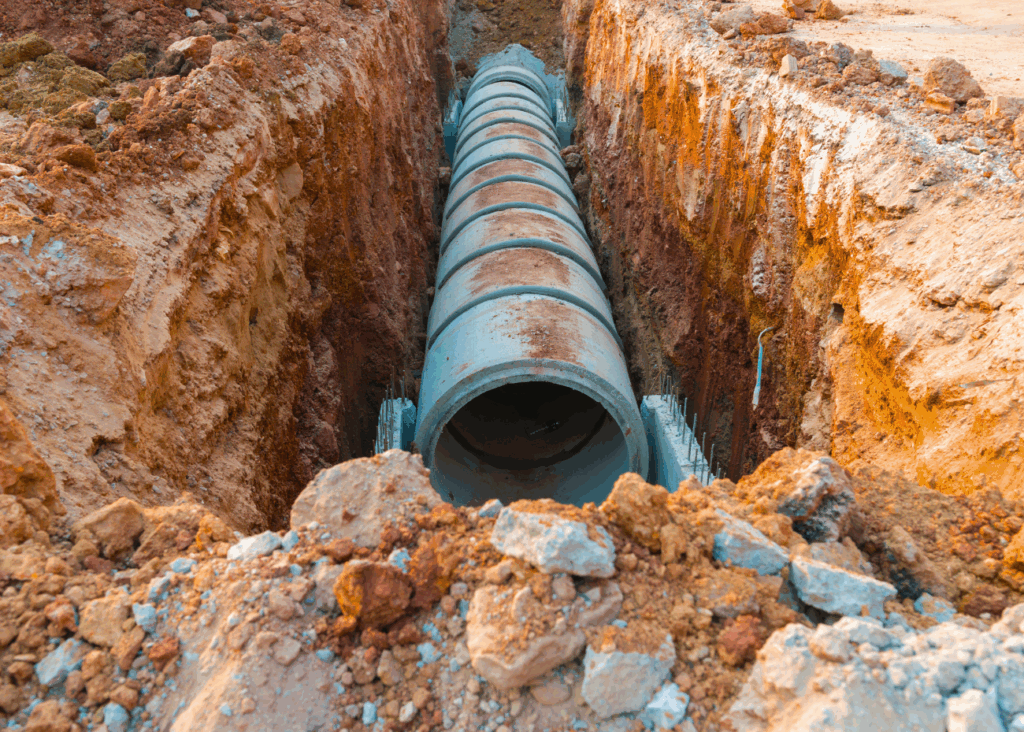
Rainwater harvesting plays an important role in sustainable water management by reducing runoff and easing the burden on drainage systems. When rain falls on rooftops and paved surfaces, it often flows into storm drains, carrying debris and pollutants into local waterways. By capturing and reusing this water, homeowners help reduce runoff and minimize environmental pollution. This practice also helps manage water more efficiently during heavy rainfall, preventing soil erosion and flooding in landscaped areas. In this way, rainwater harvesting contributes to a more balanced and eco-friendly water cycle.
Enhancing Garden Self-Sufficiency
A rainwater harvesting system allows gardeners to become more self-sufficient by reducing dependence on external water sources. Instead of relying entirely on municipal water supply, homeowners can use stored rainwater to irrigate plants, fill watering cans, or even supply drip irrigation systems. This independence becomes especially valuable during dry seasons or periods of water restriction. A well-designed system ensures that gardens can continue to thrive even when water resources are limited, providing peace of mind and greater control over garden maintenance.
Reducing Strain on Municipal Water Systems
Municipal water systems are designed to supply water for a wide range of residential, commercial, and industrial needs. During peak usage times, such as hot summer months, these systems can become strained. By using rainwater for outdoor gardening, homeowners help reduce overall demand on public water infrastructure. This collective effort contributes to more sustainable community water management and ensures that treated drinking water is reserved primarily for essential indoor uses. Rainwater harvesting is a simple way for individuals to support broader environmental conservation efforts.
Encouraging Healthier Soil and Landscaping Practices
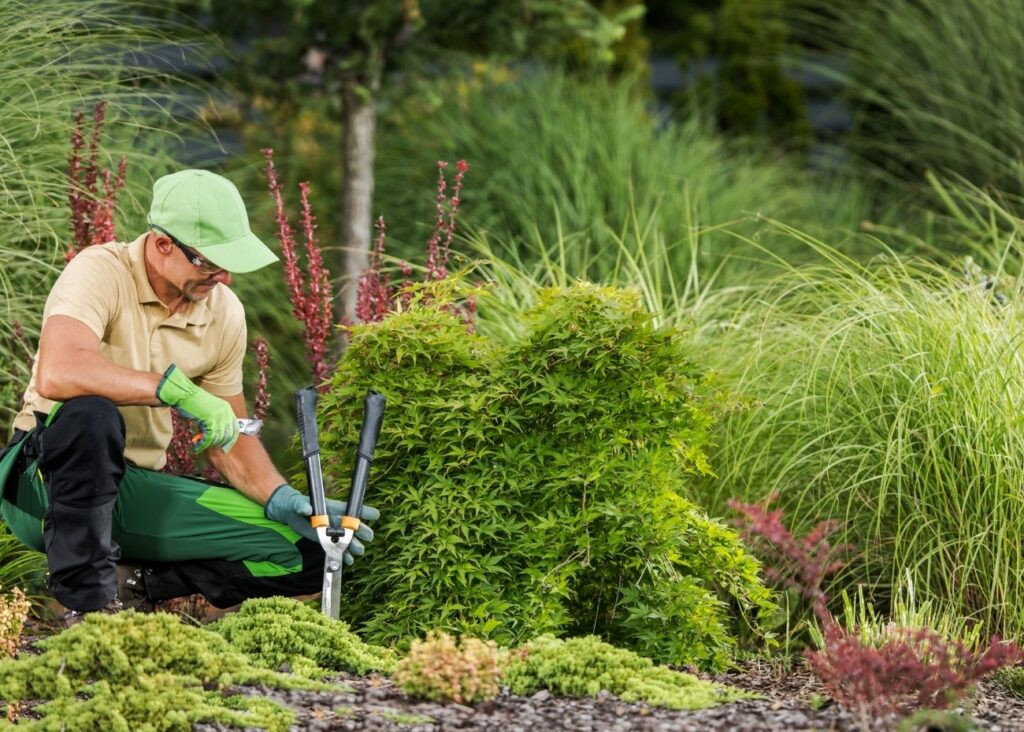
Using rainwater can also improve soil quality over time. Unlike treated water, which may contain salts or chemicals that accumulate in the soil, rainwater is pure and gentle. This helps maintain a balanced soil ecosystem that supports beneficial microorganisms and earthworms. Healthy soil leads to better water retention, stronger plant growth, and reduced need for chemical fertilizers. In addition, rainwater encourages more natural gardening practices, such as mulching and composting, which further enhance soil health and sustainability.
Flexibility and Ease of Use
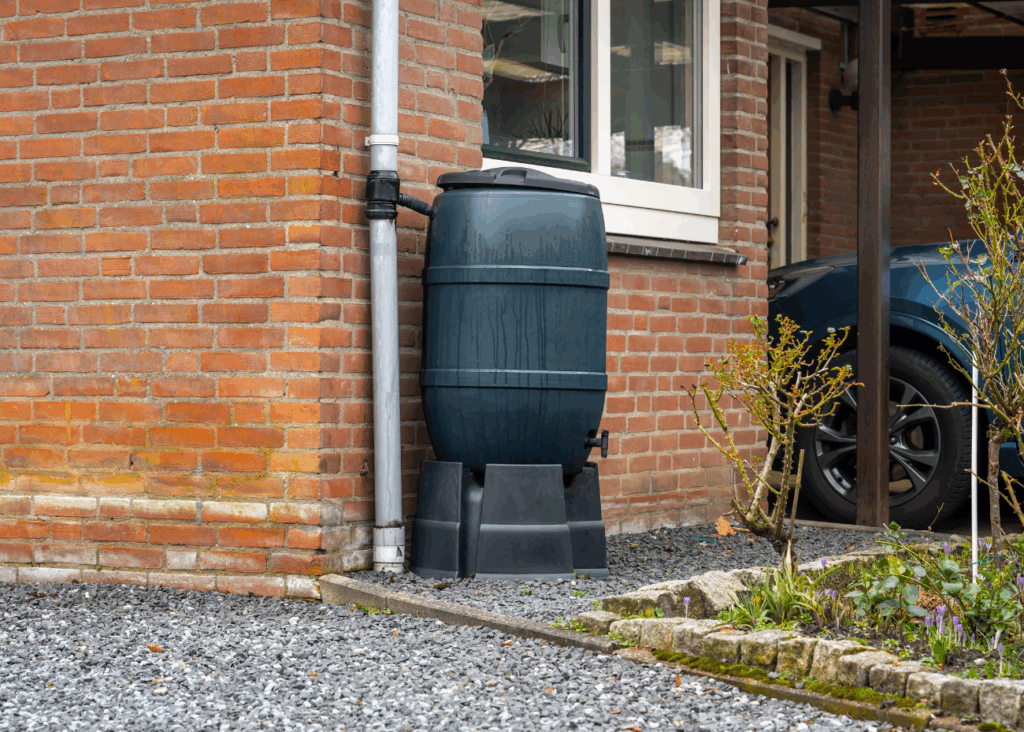
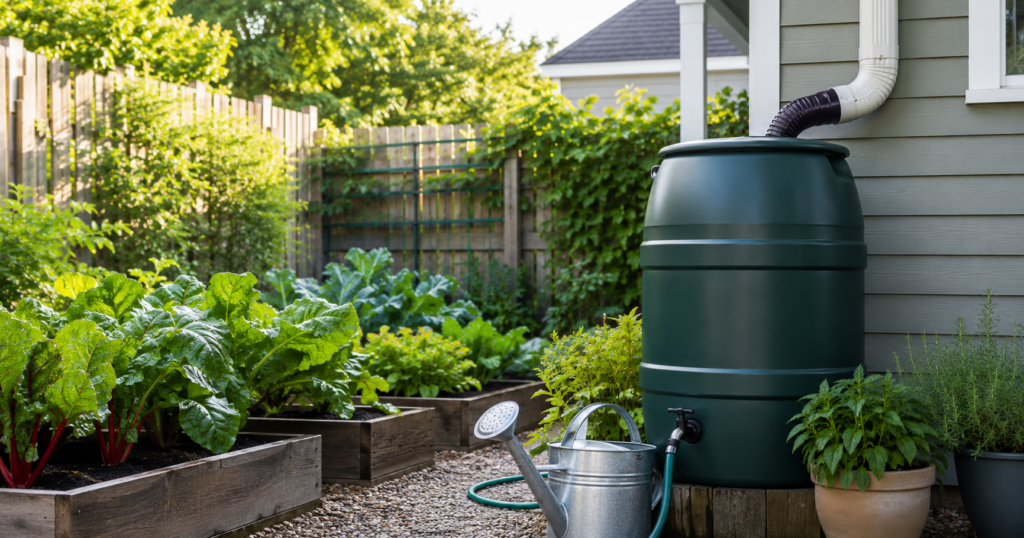
Modern rainwater harvesting systems come in a variety of designs, making them easy to integrate into almost any home or garden. From simple rain barrels placed under downspouts to more advanced underground storage systems, there are options to suit different budgets and space requirements. Once installed, these systems require minimal maintenance, typically involving occasional cleaning and inspection. The collected water can be used with basic watering cans or connected to irrigation systems for added convenience. This flexibility makes rainwater harvesting accessible to both beginner and experienced gardeners.
Long-Term Environmental Impact
Beyond immediate benefits, rainwater harvesting contributes to long-term environmental sustainability. By reducing water consumption, minimizing runoff, and supporting healthier plant ecosystems, this practice helps conserve natural resources for future generations. It also promotes awareness of water usage and encourages more responsible gardening habits. Over time, widespread adoption of rainwater harvesting can make a meaningful difference in reducing environmental strain and promoting greener communities.
Creating a More Sustainable Garden Future
Rainwater harvesting is a practical and effective way to make gardening more sustainable, efficient, and environmentally friendly. It reduces water costs, improves plant health, and supports better water management practices while encouraging greater independence from municipal systems. Whether used in small backyard gardens or larger landscapes, this simple solution offers lasting benefits for both homeowners and the environment. By collecting and reusing rainwater, gardeners can take an important step toward creating a more resilient and sustainable outdoor space that thrives naturally throughout the seasons.