New Jersey’s climate is characterized by its humid summers, cold winters, and heavy rainfall, making proper drainage a critical aspect of maintaining a healthy home and landscape. Poor drainage can lead to a variety of issues, including water damage, soil erosion, and mold growth, which can be costly to repair. Understanding the importance of proper drainage is essential for protecting your property, and this blog will explore how New Jersey’s unique climate impacts drainage needs and why addressing this issue is so crucial.
New Jersey’s Climate and Its Impact on Drainage
New Jersey experiences a mix of humid summers and cold winters, with precipitation occurring year-round. The state sees an average of 45-50 inches of rainfall annually, and when combined with melting snow in the winter, the potential for flooding and water damage is high. This constant exposure to moisture makes it even more important to ensure that your property’s drainage system is functioning properly.
Preventing Water Damage and Flooding
One of the most significant concerns for homeowners in New Jersey is the potential for water damage and flooding. Heavy rains, combined with improperly functioning gutters, downspouts, or grading, can result in water flowing into basements or crawl spaces. Water infiltration can lead to structural damage, mold growth, and compromised foundations.
Erosion Control and Landscape Protection
In New Jersey, heavy rainfall can quickly cause soil erosion, especially on properties with sloped lawns or gardens. Without a proper drainage system, rainwater can wash away topsoil, causing damage to your lawn, gardens, and landscaping features. This can also make it more difficult for plants and trees to thrive.
Foundation Protection
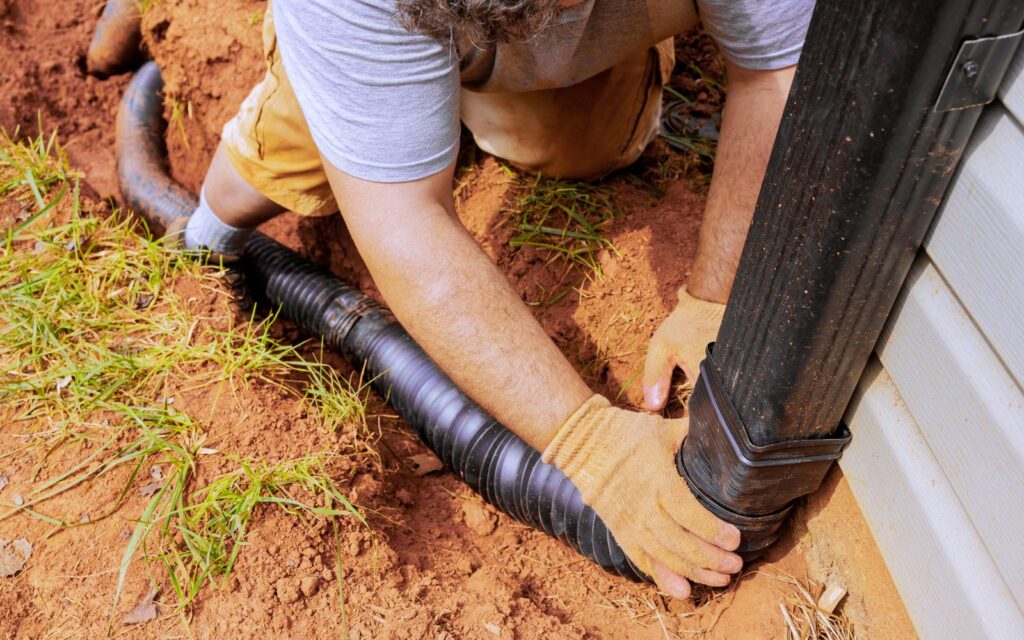
Excess water accumulation around a home’s foundation can weaken the structure over time, leading to cracks, shifts, and leaks. If water is not properly channeled away from the foundation, it can seep into the basement or crawl spaces, leading to costly repairs. Installing effective drainage systems like French drains or sump pumps can prevent these issues and protect the structural integrity of your home.
Seasonal Considerations for Drainage in New Jersey
New Jersey’s climate means that drainage needs may vary by season. During the spring and summer, heavy rains can quickly overwhelm drainage systems that aren’t functioning properly, while during the winter, melting snow and ice can exacerbate drainage issues. Seasonal shifts make it especially important to keep gutters clear, downspouts in good condition, and the grading of your property aligned with proper water flow paths.
Stormwater Management and Local Regulations
In many New Jersey municipalities, stormwater management is a key concern. Local governments may have regulations in place that require homeowners to manage runoff properly. Effective drainage systems help reduce the strain on local stormwater infrastructure, reduce the risk of flooding in public spaces, and ensure compliance with local environmental guidelines.
Proper Drainage Is Essential for Long-Term Property Protection
Proper drainage is essential for protecting your home and landscape from water-related issues. New Jersey’s climate, with its consistent rainfall and winter snowmelt, makes it even more important to have a functioning drainage system. By addressing potential drainage issues early, you can prevent costly repairs, protect your property’s foundation, and maintain the beauty of your landscape. If you’re unsure about your property’s drainage needs, consider consulting with a professional who can help assess and install the right system for your home.